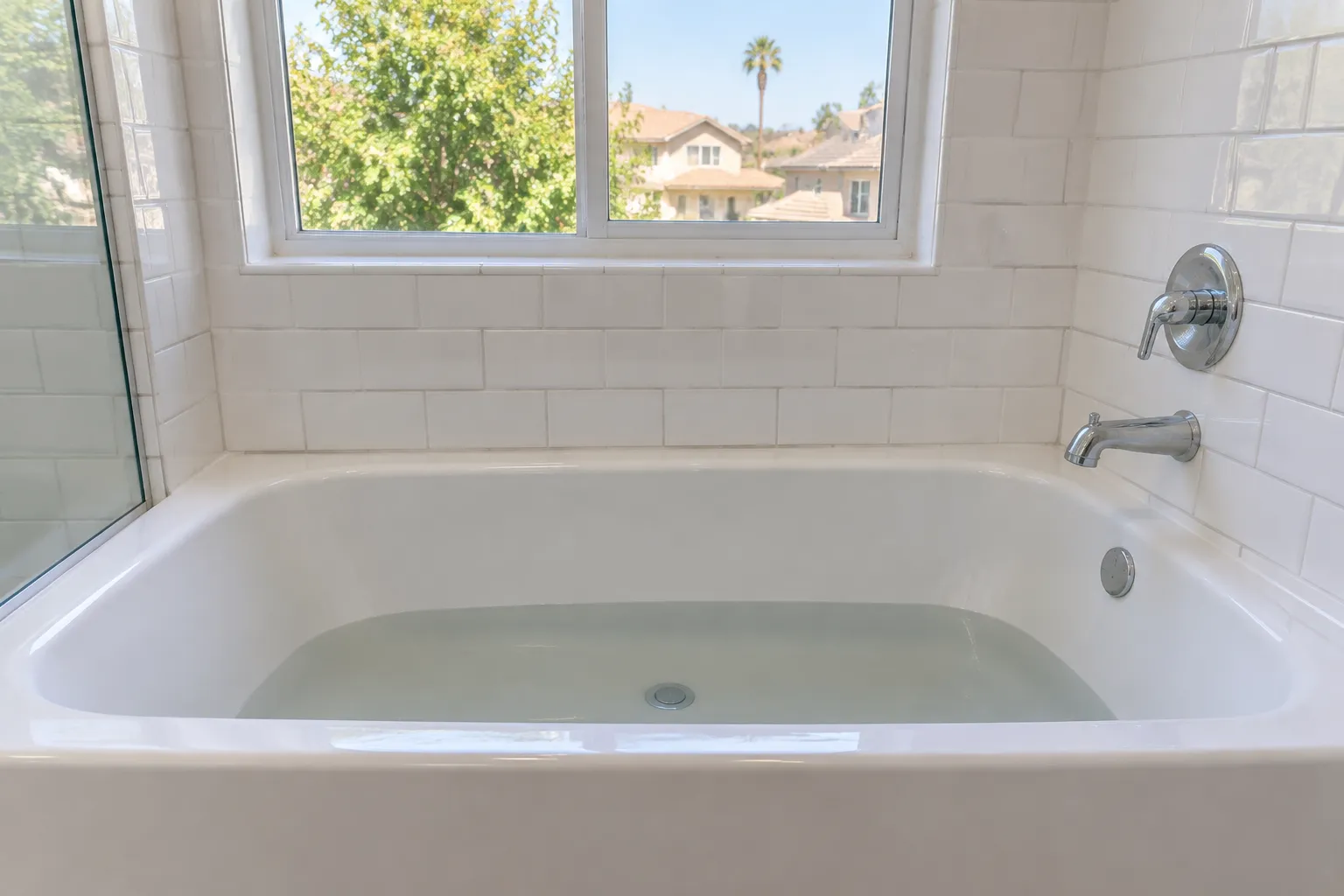
To drain a clogged bathtub, first bail the standing water into a bucket, then pull the stopper and lift out the hair you can see. If the tub still holds water, work a plunger over the drain with the overflow covered, or feed a plastic drain snake down the opening. Most tub clogs are hair and soap, and they clear in about fifteen minutes. If you would rather hand the job to a local plumber, this page also shows what to check before you ask for quotes.
What is the fastest way to unclog a shower drain?
The fastest fix is mechanical: remove the cover, pull out the hair mat you can see, then push a barbed plastic drain strip down the pipe and draw it back out. Most shower clogs sit within the first foot or two of pipe, so this clears the majority in under ten minutes. A plunger is the second option if the strip finds nothing.
Do the hair pull first, because it works best on a drain that still has some flow. Unscrew the cover with a flat or Phillips screwdriver. Many shower drains hide a small cross of metal or plastic bars under the cover, and hair wraps around it like thread on a spool. Use needle-nose pliers or a bent coat hanger to lift it.
Then slide the plastic strip down alongside the bars. Push it in until you feel resistance, twist it a few times, and pull back slowly. What comes out is usually grey, slick and ugly. Repeat until the strip comes back clean, then run hot tap water for a minute to confirm the flow.
How do you get the water out of a tub that will not drain?
Get the water out first, because you cannot see or reach the clog through four inches of soapy water. Bail it into a bucket and pour it into a sink or toilet, or run a wet-dry shop vacuum set to liquid. Do not leave water sitting in the tub overnight in the hope that it drains by itself.
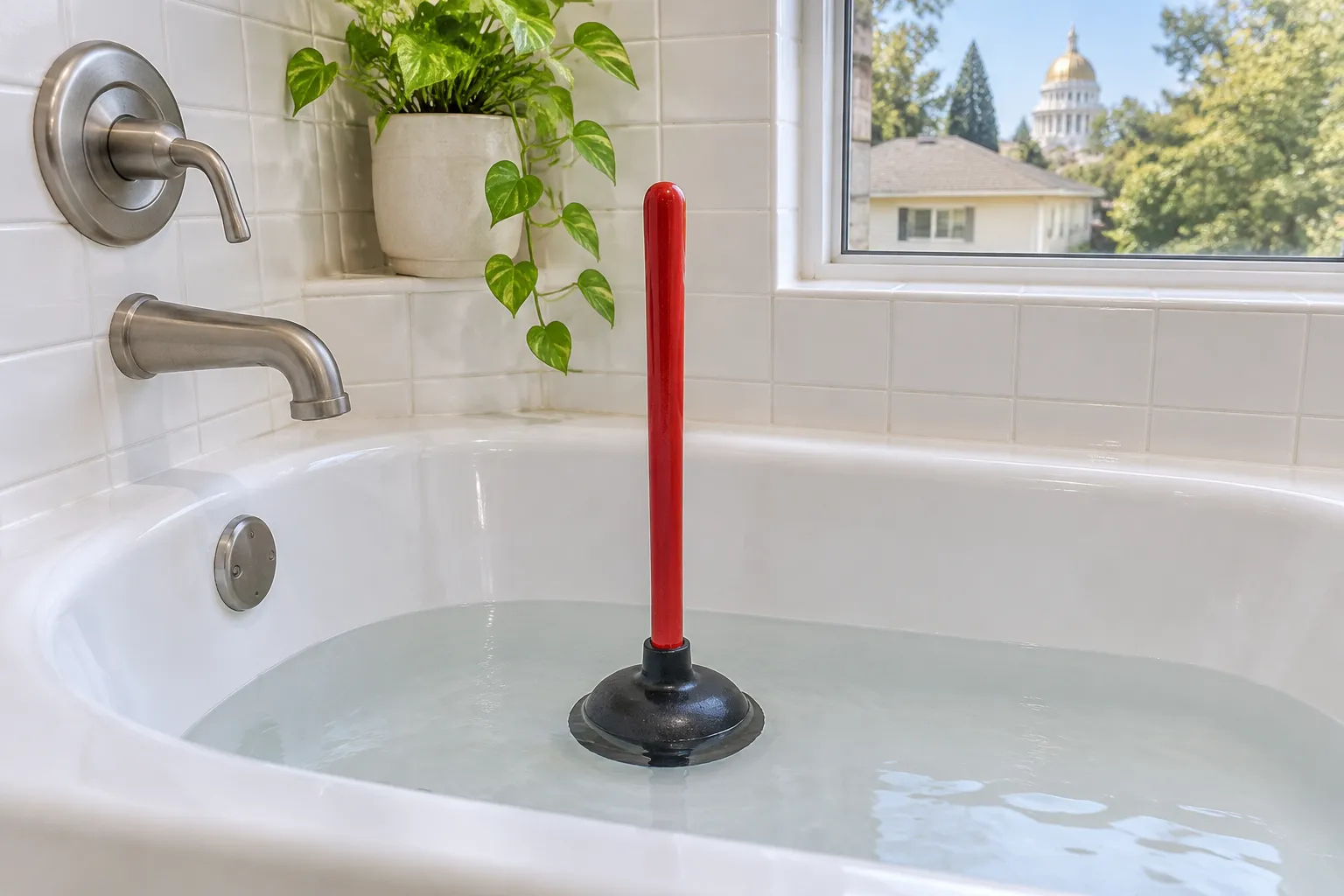
If the tub is nearly full, a wet-dry vacuum is quicker than a cup and a bucket. Check that the model is rated for water and keep the cord clear of the puddle. A small cordless siphon pump also works.
Once the tub is empty, look at where the water backed up. If it only filled the tub, the clog is in the tub's own branch. If you also hear gurgling from a nearby sink or the toilet bubbles when the tub drains, the blockage may be further down, in a shared line. That changes the plan, and it is covered further down this page.
What can I pour down a clogged shower or tub drain?
Hot tap water with a squirt of dish soap is the gentlest option, and a half cup of baking soda followed by a half cup of white vinegar can loosen soap film. Neither moves a solid hair plug. A store-bought chemical opener works on some organic clogs but carries real risks, so read the label and never mix products.
Here is how the common options compare for a tub.
| Option | What it does | Limit |
|---|---|---|
| Hot tap water and dish soap | Loosens grease and soap scum | Does little against packed hair |
| Baking soda then vinegar | Fizzes and breaks up light film | Not strong enough for a full blockage |
| Enzyme cleaner | Slowly digests organic buildup | Works over days, so it suits maintenance more than rescue |
| Caustic or acid chemical opener | Dissolves hair and grease | Fumes, burns, can sit in a standing-water tub and splash back |
If a chemical opener has already gone in and failed, tell any plumber who comes. The water in the tub is now a hazard to the skin, and a plunger will splash it. Wear gloves and eye protection. Do not combine one opener with another, and never follow a chemical with vinegar or bleach.
Does pouring boiling water down a shower drain help unclog it?
Boiling water helps only a little, and it carries a risk. It can melt a soap and grease film, but it will not shift a hair plug, and it can soften plastic drain fittings or crack an old porcelain or cast-iron tub finish. Very hot tap water does the same job with less risk.
Many Sacramento homes have a mix of plastic and metal drain parts, especially where an earlier owner replaced a section. You cannot always tell what the joints are made of from the tub side. If you want heat, run the hot tap into the drain for a couple of minutes instead of pouring from a kettle.
Boiling water also does nothing for the common case where the hair sits just below the strainer. A pull or a strip, as described above, is the real fix.
My shower drain is suddenly not draining. What can I do?
When a drain that worked yesterday stops today, test the rest of the house before you blame the shower. Run a bathroom sink and flush a toilet. If only the shower is slow, it is a local clog. If other fixtures gurgle or back up as well, the blockage is in a shared line, and it is time to stop and call someone.
Sudden stoppage often has a simple cause: a razor cap, a lump of conditioner, a child's toy, or a wad of hair that finally closed the gap. Look inside with a phone torch before you plunge.
Signs that point beyond the tub include:
- Water coming up in a lower tub or floor drain when you run the washer or flush a toilet.
- A sewer smell in the bathroom, which has its own page: plumber for sewer smell.
- Slow drains in more than one room.
- Raised or wet ground near the sewer cleanout in the yard.
In older Sacramento neighborhoods with mature trees, roots can enter clay sewer lines at the joints and cause repeated clogs. If the same blockage returns every few weeks, a camera inspection is worth asking about. Landscaping changes can matter too: a new tree planted near the sewer line in the yard will eventually find it.
What carries over to other clogged drains in the house?
The same logic applies to every fixture: find where the water stops, clear the nearest section by hand, and use heat or mild products before harsh ones. Kitchen drains are mostly grease, dishwashers share the kitchen sink line, and a washer drains through a standpipe. Each has a few quirks.
- Kitchen sink: grease and food. Hot water and soap helps more here than in a tub. See the garbage disposal repair plumber page if a disposal sits in the line.
- Dishwasher drain: it empties through the kitchen sink trap or disposal, so a dishwasher that leaves standing water often has a blocked sink line, not a broken machine.
- Washer drain: the standpipe can back up with lint. The guide to a clogged drain from a washing machine covers it.
- Bathroom sink: the pop-up stopper catches hair. Take it out and clean it, as the page on how to unclog a bathroom sink explains.
- Vent stack: a blocked vent on the roof causes slow, gurgling drains across several fixtures. Clearing a vent means roof work, so leave it to a plumber.
- Air-conditioner condensate drain: a separate line that clogs with algae in summer. It is not part of the household plumbing, though a plumber or an HVAC specialist can clear it.
When should you call a plumber for a clogged tub?
Call when you have cleared the stopper area, tried a plunger and a plastic strip, and the water still sits, or when other fixtures are affected. A plumber can run a cable or a camera into the line and find what a household tool cannot reach. For an overview of what drain cleaning involves and costs, see the page on drain cleaning in Sacramento.
Fixr's plumber cost guide (updated January 2025) lists $100 to $500 to unclog a drain, and Fixr's drain cleaning article says snaking costs $100 to $300, up to $400 for a main sewer line. The price rises for after-hours calls, for hard access, or when a camera is needed. Sacramento prices vary. It is a guide only: the specialist who inspects the drain quotes the real figure. To compare, you can get quotes from local specialists.
A few clues help a plumber on the first visit:
- Which fixtures are slow, and which are fine.
- When it started, and whether you used a chemical opener.
- Whether it has happened before at the same spot.
- Where the cleanout is, if you know.
Questions people ask
Does Dawn really unclog drains?
Dawn dish soap helps with greasy clogs, mostly in kitchen sinks, because it breaks up fat so hot water can carry it away. In a bathtub the clog is usually hair bound with soap scum, and the soap alone will not dissolve it. Try a squirt of dish soap with a kettle of hot tap water as a first step, then pull the hair out by hand.
Can Dawn dish soap unclog drains?
It can loosen light buildup and make a plunger more effective, but it will not clear a solid plug. Squeeze a generous amount into the drain, wait ten minutes, then flush with very hot tap water. If water still pools, move on to a drain strip or a plunger. A tub clog that needs repeated soap treatments is telling you the hair is further down.
What do plumbers recommend to unclog drains?
Plumbers generally recommend mechanical clearing first: a plunger, a hand auger or a drain strip. They tend to avoid strong chemical openers because the products can damage some pipes, make a later cable job unsafe and splash on skin. For prevention, a mesh hair catcher in the tub costs a few dollars and stops most repeat clogs.
Can a plumber fix a clogged toilet?
Yes. A plumber can clear a toilet with a closet auger, or pull the toilet and clear the trap and line if something is stuck. If other fixtures are slow too, the problem may be the sewer line. Costs and steps are covered on the page for a plumber for a clogged toilet.
How to get a severely clogged toilet unclogged?
Use a flange plunger, with the bowl water level above the rubber, and push and pull steadily for about a minute. If that fails, try a closet auger. Do not flush again or pour chemicals into a full bowl. A bowl that stays full after both tools usually has a blockage deeper in the line, which is when you call a plumber.
Can a drain blockage clear itself?
Rarely. A light soap film can loosen over days with regular hot water, but a hair plug or a solid object stays put and tends to grow as more debris catches on it. If a drain clears by itself and then slows again within weeks, the clog was only partly moved and it will return. Treat it as a repair, not luck.
Sources used
Last changed